
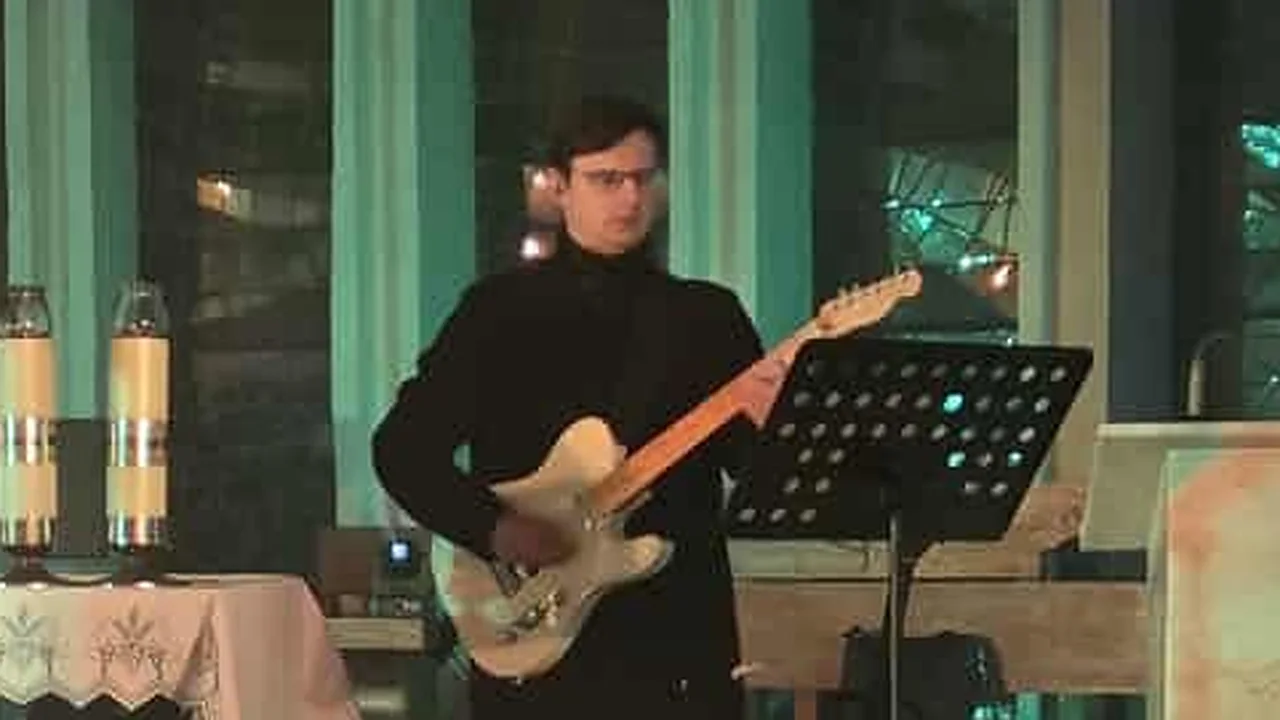
Zaduszki Literackie, a series of literary and music evenings held around All Souls' Day, are a fixed point of November for me. Every year the band and I play a run of concerts in churches and community centres, and each of them looks much the same: the drive there, setting up the gear, a sound check, the concert, and then packing everything back up and heading home. On paper it is a few evenings. In practice it is a whole month in which, after work, there is no time left for anything else.
From the audience, a concert usually looks calm and well organised, and that is exactly how it should look. From the stage, this year's Zaduszki felt more like an obstacle course, so this time I am writing about the things the audience does not see.
Rehearsals after work
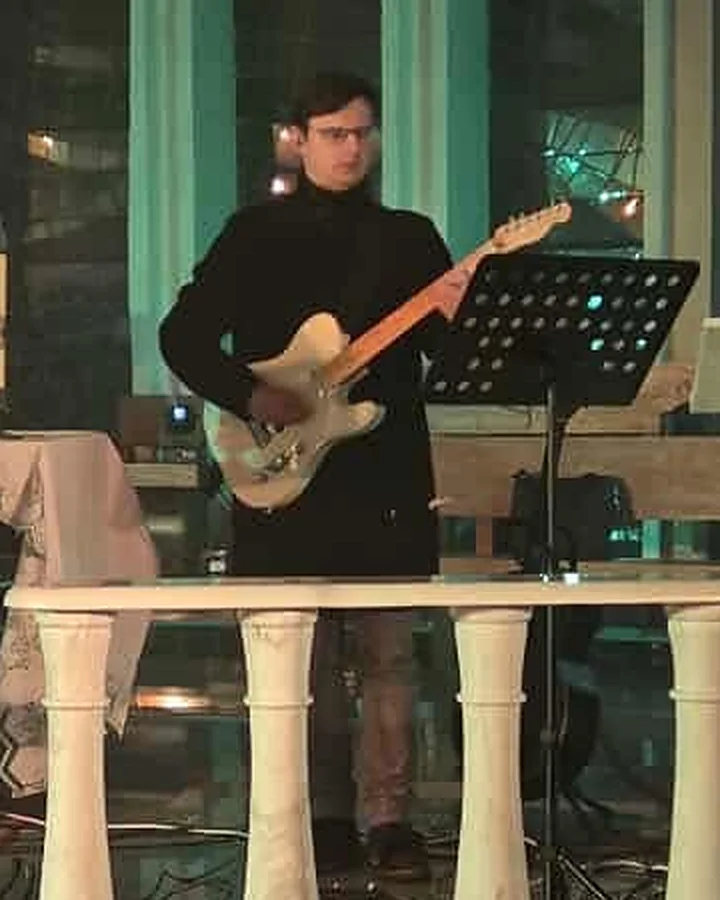
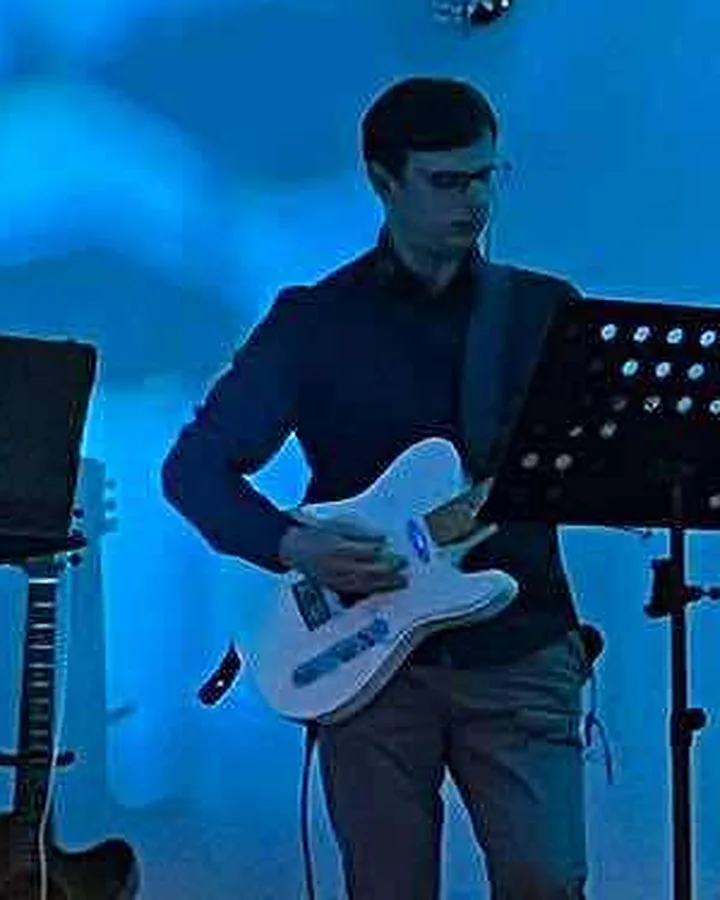
Preparations start long before the first concert. We have to play the repertoire through together, settle the keys, the entries and the endings, and then practise until you stop thinking about them and can focus on playing. Rehearsals fall in the evenings, after a full day at work, so we usually finished late.
While preparing this year, I made myself a songbook for the tablet. Every song has its tempo saved, the lyrics scroll on their own, and the chords can be moved to a different key with one button, without copying the sheet out again.
Driving there and back at night
The concerts take place in different venues, so each one means driving with all the gear there and back. After the concert everything has to be taken down and packed, which means you usually get home in the middle of the night. The next morning, ordinary work is waiting, as if nothing had happened the evening before.
You can keep up a rhythm like that for a few weeks, and I think that is the most demanding part of Zaduszki. The playing itself is a pleasure. Everything else you simply have to carry.
The guitar that fell off my shoulder
A straplock is a small lock that holds the strap on the guitar, and you do not think about it at all as long as it works. During one of the concerts it gave way mid-song and the guitar fell off my shoulder.
At a rehearsal you can stop and start again. At a concert you cannot. I had to keep playing.
A broken string and a guitar swap
Another time a string broke. Changing it during a concert is out of the question, because it takes several minutes, and a new string keeps stretching and going out of tune for a long while. Luckily I had a spare guitar with me, so switching instruments took a moment and the concert carried on.
A spare guitar can sometimes seem like excessive caution, especially when you have to carry it, pack it and set it up every single time. That evening it stopped seeming that way.
A dozen seconds with no monitors
Monitors are what musicians hear on stage: their own instrument, the vocals and the rest of the band. Without them everyone is playing a bit blind, because the PA faces the audience, not us. The one who needs them most is the drummer, who keeps the tempo for the whole band.
During one of the concerts the drummer lost his monitor in the middle of a song. For a dozen or so seconds we were playing with nothing to hold on to: he could not hear the rest of the band, and we tried to follow his tempo and not drift apart from each other. More or less, we got through it.
My own monitor, in turn, let me down regularly. It was wireless and every now and then it simply lost the connection, and during solos I very often could not hear myself at all. Then I played by feel.
What stays with me
From the hall, most of these slip-ups probably looked minor, or were not visible at all. From the stage, each one was a reminder of the same thing, something no rehearsal can teach: the concert goes on whatever happens, and in a moment like that there is no room for anything but playing.
After these concerts I replaced the straplocks, and I check the strap more carefully before I go on stage. A guitar slipping off my shoulder once is enough.