
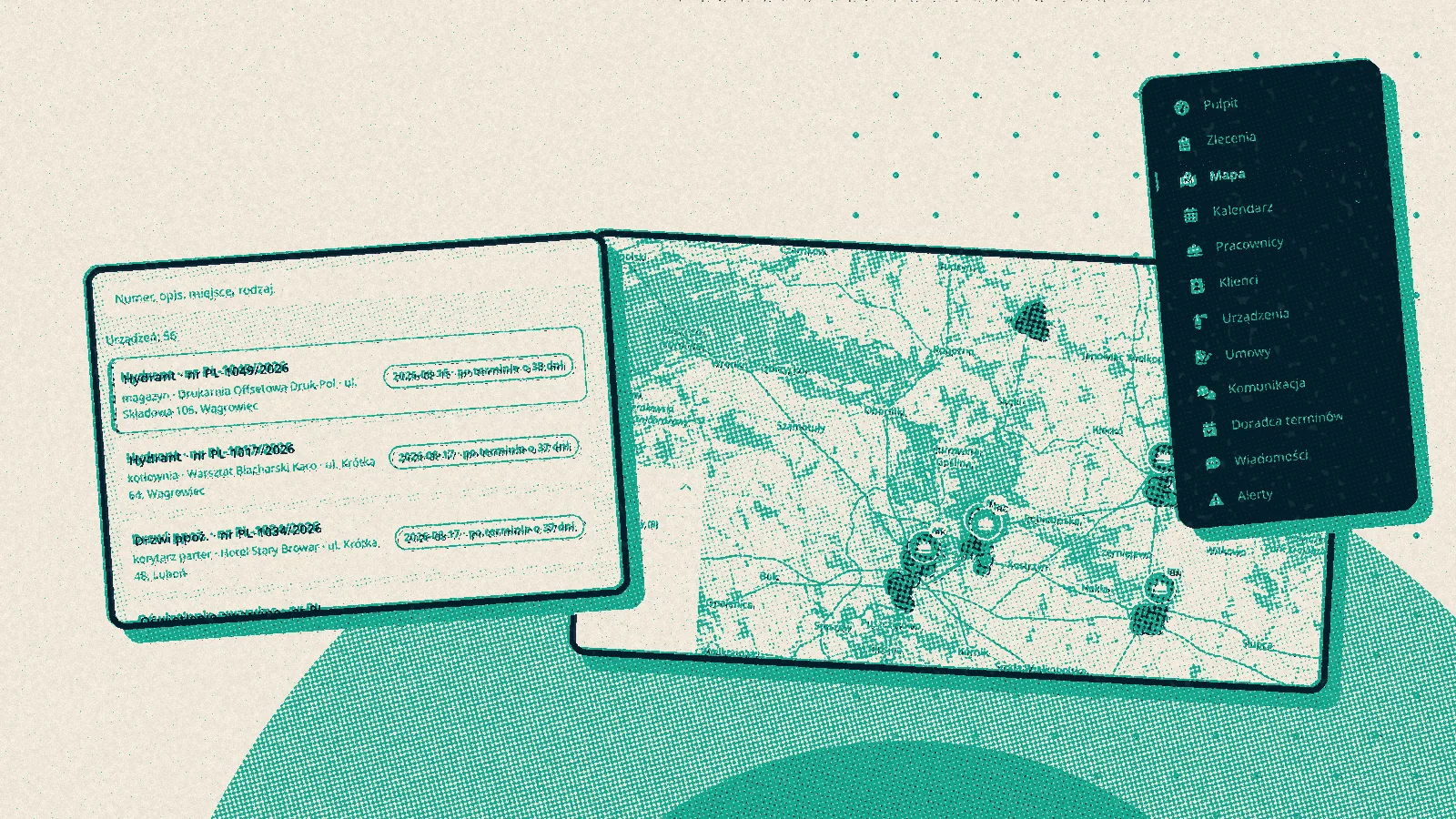
I started building Planer Operacyjny because I needed a tool I could adapt to my own work. I wanted to decide on its features and screen layout myself, adding changes as specific needs arose.
A program that fits
The programs we use at work each have their purpose and their own way of doing things. I needed an additional tool for everyday tasks, with information arranged around how I used it. Building my own program let me concentrate on those details.
What I was missing was a program that would fit my everyday tasks as closely as I wanted. At some point I decided that rather than keep looking for one, I would try to build it myself.
Changes I can make myself
From the start, what mattered most to me was freedom. I wanted a tool I could change myself: decide on my own what features it has and how it looks, and simply add something whenever it turned out we were missing it.
A new table column or a different calendar layout sounds like a small thing, but it matters when you use a program every day. I wanted to try those ideas myself without involving IT in every adjustment: change the layout, work with it for a while, and see whether it really is easier to use.
First I look, then I change
Over time I settled into a way of working that I still follow. I start by observing: I look at how a task is really done, step by step and exceptions included, because those are usually what costs the most time. Only once I understand the whole process do I look for a solution, and out of several possible ones I choose the simplest that does the job.
Field work is a good example. A free hour in a calendar does not automatically mean another job will fit. You have to consider where the crew will be beforehand, where they need to go afterwards, and when the client can receive them, because only with that information together can you judge whether the slot makes sense. Those connections interested me more than the number of features in the program.
Once I have chosen a solution, I check whether it works as intended and actually makes the task easier. Testing comes before rollout, followed by observing how the change works in use. That is another part of the same process, because adding a feature does not by itself tell me how useful it is.
From a map to a program
In the beginning, in February, it was really just a map. But one improvement led to the next, because once something starts to work, you immediately see what could sit next to it. Within a few months the small helper had grown into a program with a calendar, lists of people and jobs, and an adviser that finds a free slot with a crew that happens to be nearby.
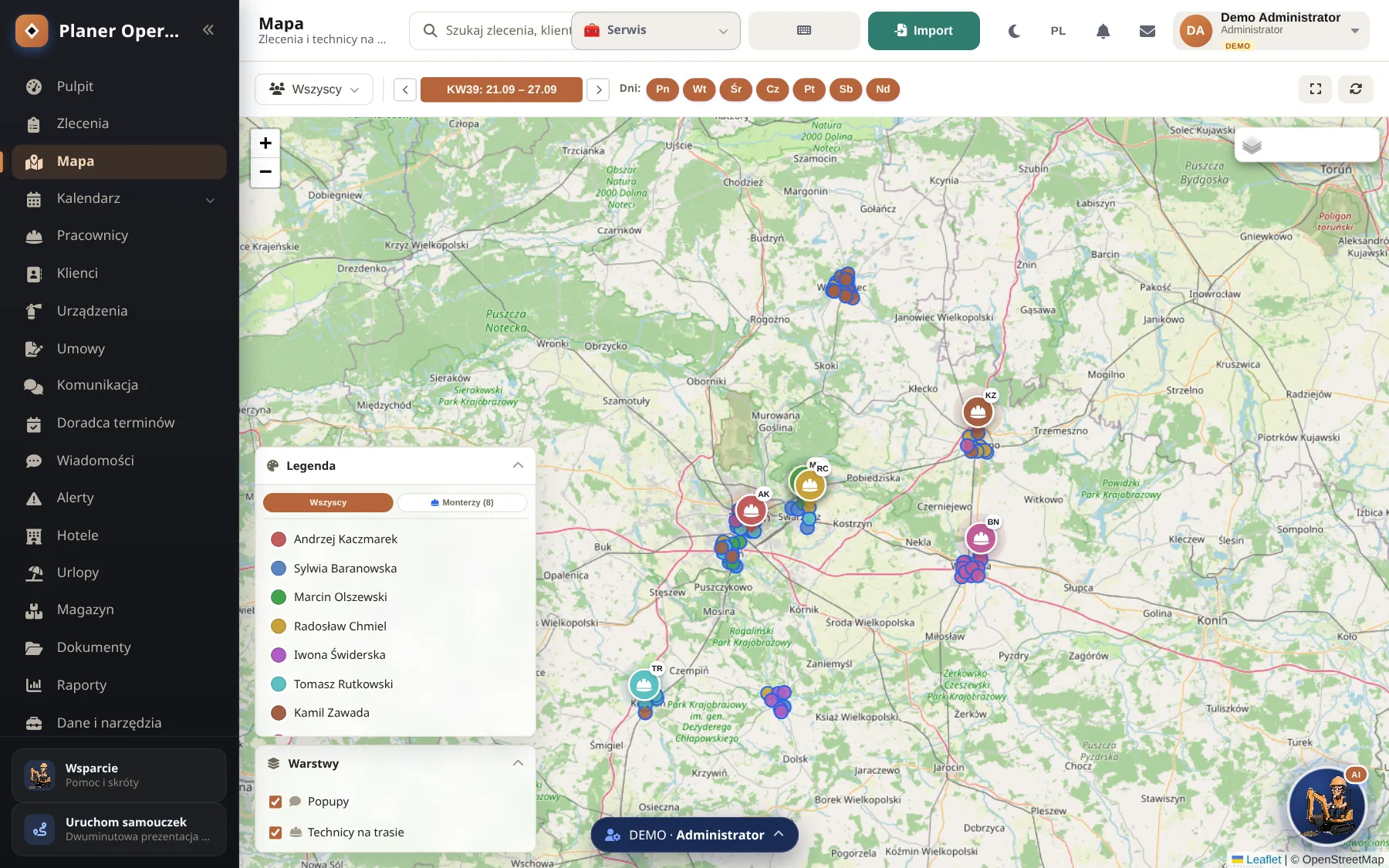
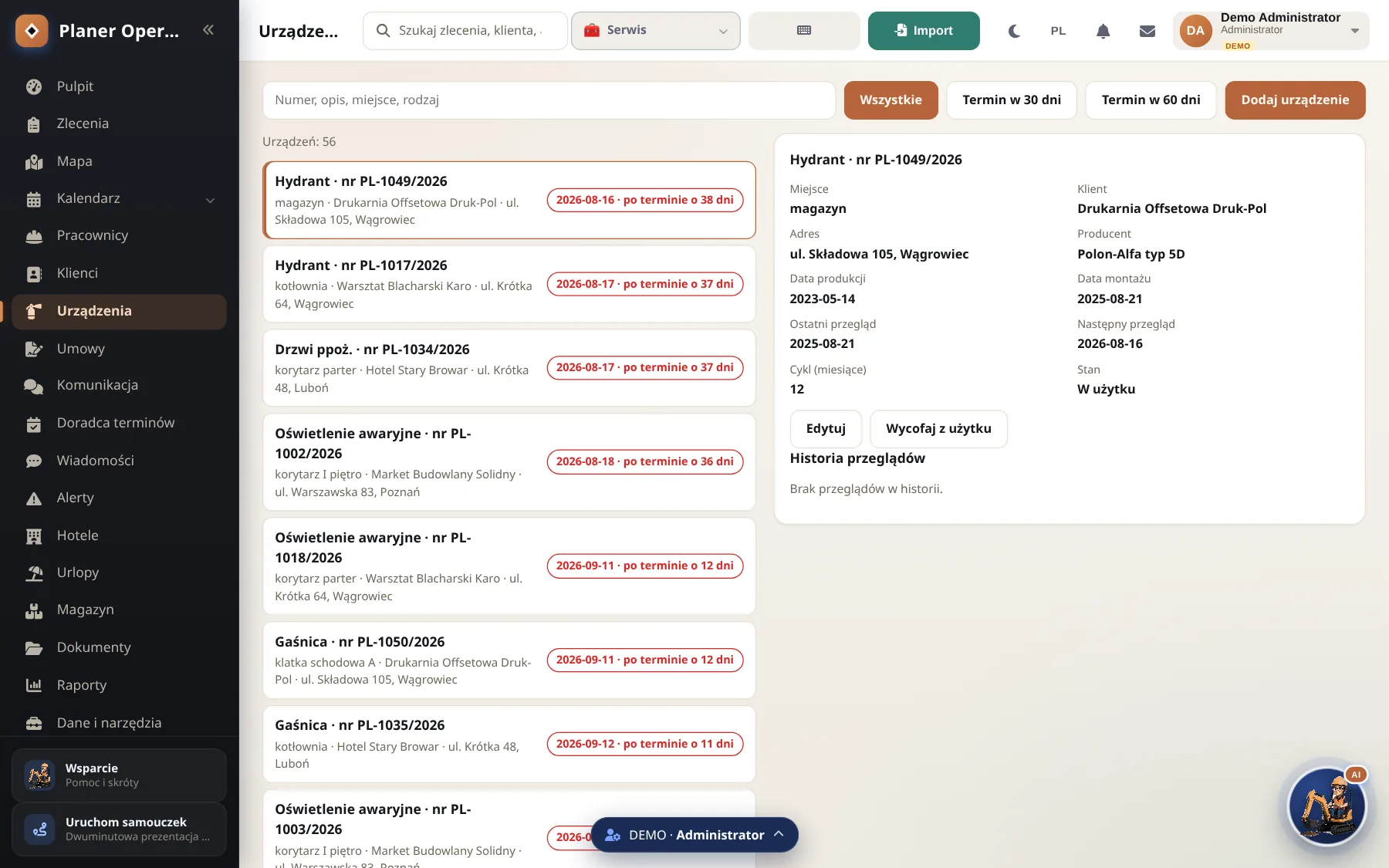
Over the summer I prepared a general version, tied to no single company or industry, and that is how Planer Operacyjny came to look the way it does today. The industry is chosen in the settings, the program speaks Polish, English and German, crews in the field have their own view on the phone, and the visit report, photos included, is created right in the browser. There is also a register of equipment at client sites that reminds you of inspections and creates the next jobs by itself.
What came of it
Today Planer is ready to work for others too, and anyone who sends people out into the field can try it in the demo, no login needed. Along the way it grew into something I had not planned at all, namely an exercise for students, but that is another story, not least because the idea was not mine.
The most important thing, though, has stayed the same as at the start. I know what every feature is for, because behind each one there is a concrete need that I first saw at work and only then turned into part of the program. If your company also has something that has long been asking for its own tool, write to me.